What can ancient Egypt teach us about granite?
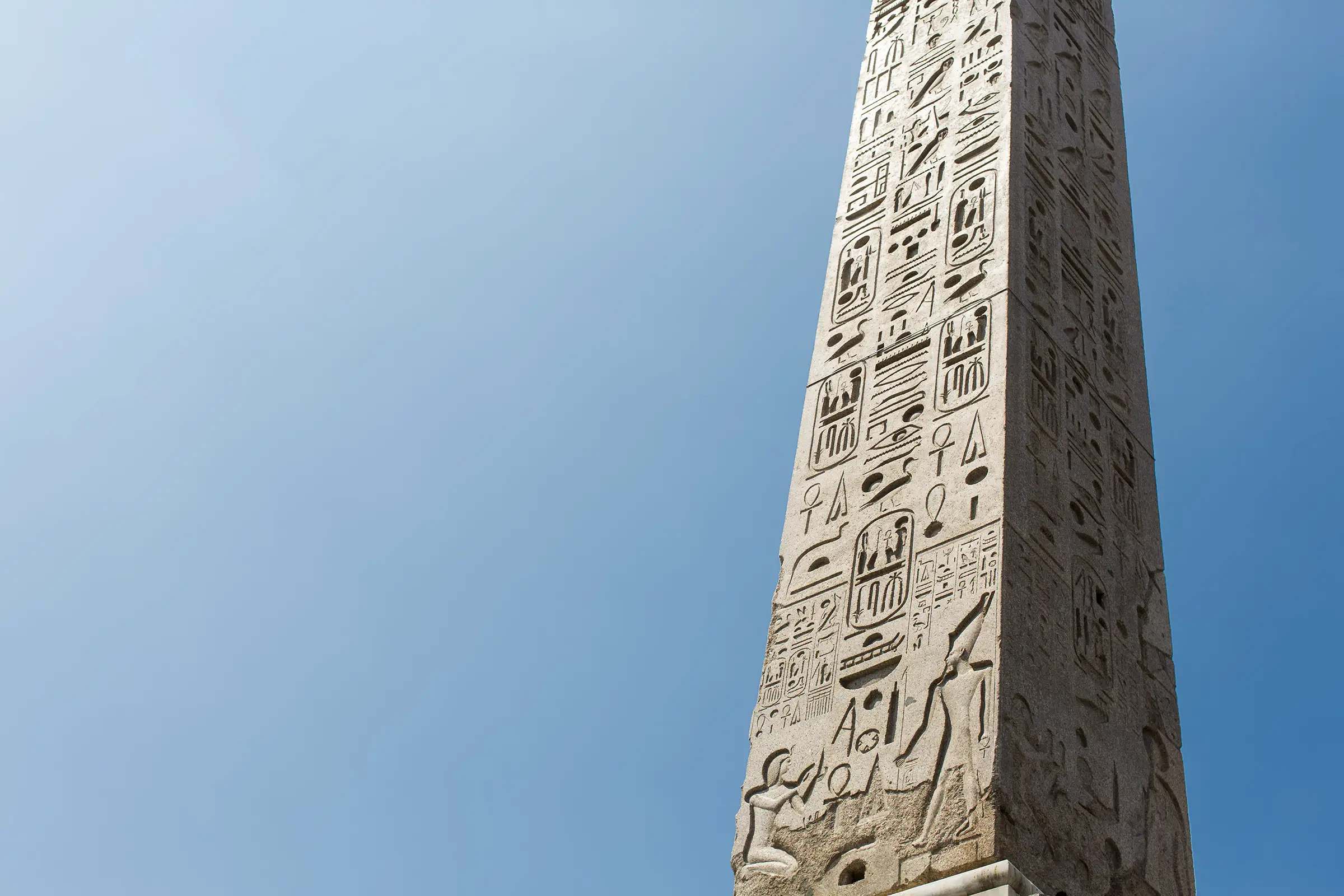
Stand in front of one of the great granite sculptures of ancient Egypt, and it’s difficult not to wonder about the people who made it. Thousands of years ago, Egyptian craftsmen were shaping, carving and polishing one of nature’s hardest building materials into monumental statues, architectural elements, sarcophagi and obelisks. Many still survive today, their scale and craftsmanship continuing to impress visitors centuries after their creation.
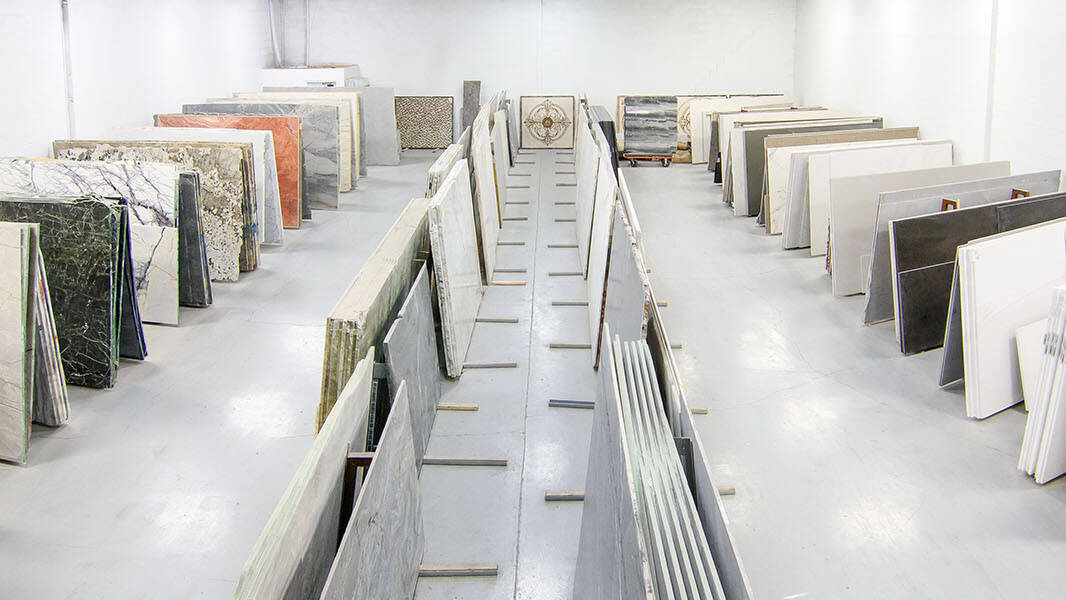
We usually encounter granite today in a very different setting—as a kitchen countertop, an island or an architectural surface. But behind every granite slab is a much longer story.
A material worthy of monuments
Granite was highly valued in ancient Egypt, particularly the distinctive stone quarried around Aswan in southern Egypt. Transporting and working such massive pieces required extraordinary effort, making granite a natural choice for monuments intended to convey permanence and significance.
And granite certainly wasn’t chosen because it was easy to work. Composed primarily of minerals such as quartz and feldspar, granite is exceptionally hard and wear-resistant. Those same qualities that make granite countertops so durable today also make the stone demanding to cut, shape and finish. For ancient artisans, working with it presented a remarkable challenge.
The craftsmen of Aswan
The ancient granite quarries at Aswan offer a fascinating glimpse into how Egyptian craftsmen approached that challenge. Perhaps the best-known example is the unfinished obelisk, still lying partially connected to the bedrock. At nearly 42 metres long, it would have been one of the largest obelisks ever created had cracks in the stone not forced the project’s abandonment. Its unfinished state is particularly valuable. Instead of seeing only a completed monument, we can see evidence of the immense amount of work required to extract and shape monumental granite pieces.
Archaeological evidence, together with experimental research into ancient stoneworking techniques, points to the use of hard stone pounders and abrasive materials. At the same time, researchers have also studied how sawing, drilling, grinding and polishing could have been accomplished with the tools and materials available at the time. There is still much to learn about the practical details of ancient stoneworking. What the surviving objects make clear, however, is the extraordinary level of skill, patience and material knowledge involved.
From Ramses II to the modern stone shop
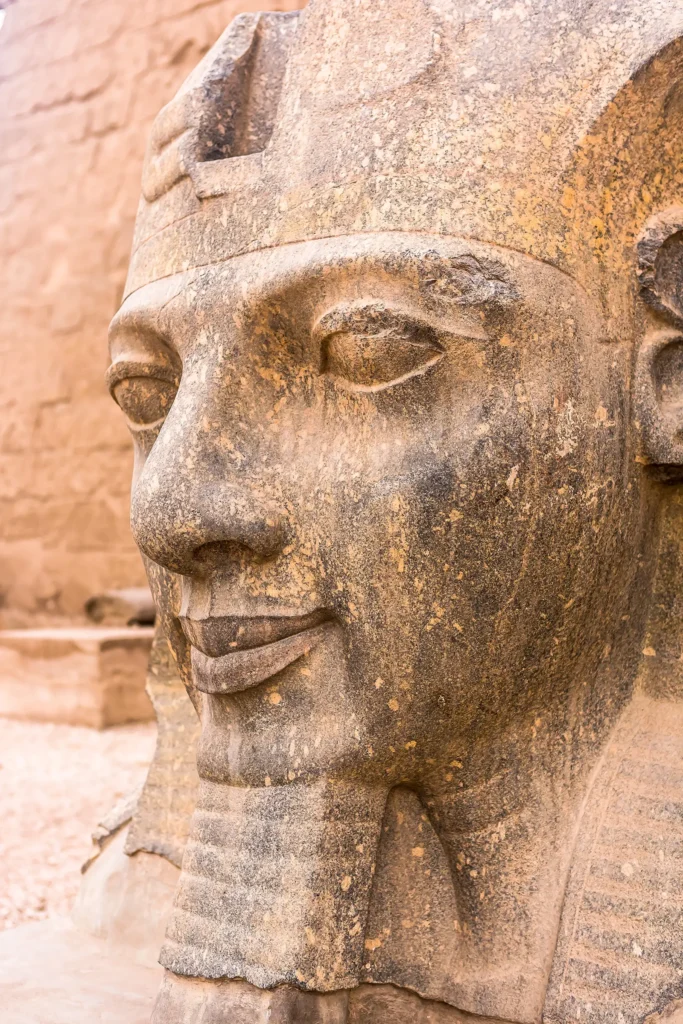
Ancient Egyptian artisans transformed granite into remarkably refined sculpture. Surviving works associated with pharaohs such as Ramses II demonstrate how a material capable of forming massive monuments could also be worked into carefully controlled faces, surfaces and details.
Thousands of years later, we’re still working with essentially the same natural material. What has changed dramatically are the tools. Modern granite fabrication uses digital measurements, diamond tooling, CNC machinery and waterjet technology to cut and shape stone with extraordinary precision. Yet technology doesn’t eliminate the need to understand the material itself.
Every natural granite slab has its own structure, movement and characteristics. Planning cuts, positioning seams, following veining and movement, and finishing edges still require experience and judgement. Modern machinery gives fabricators capabilities ancient craftsmen could never have imagined, but craftsmanship remains an essential part of the process.
Why every granite slab tells a different story
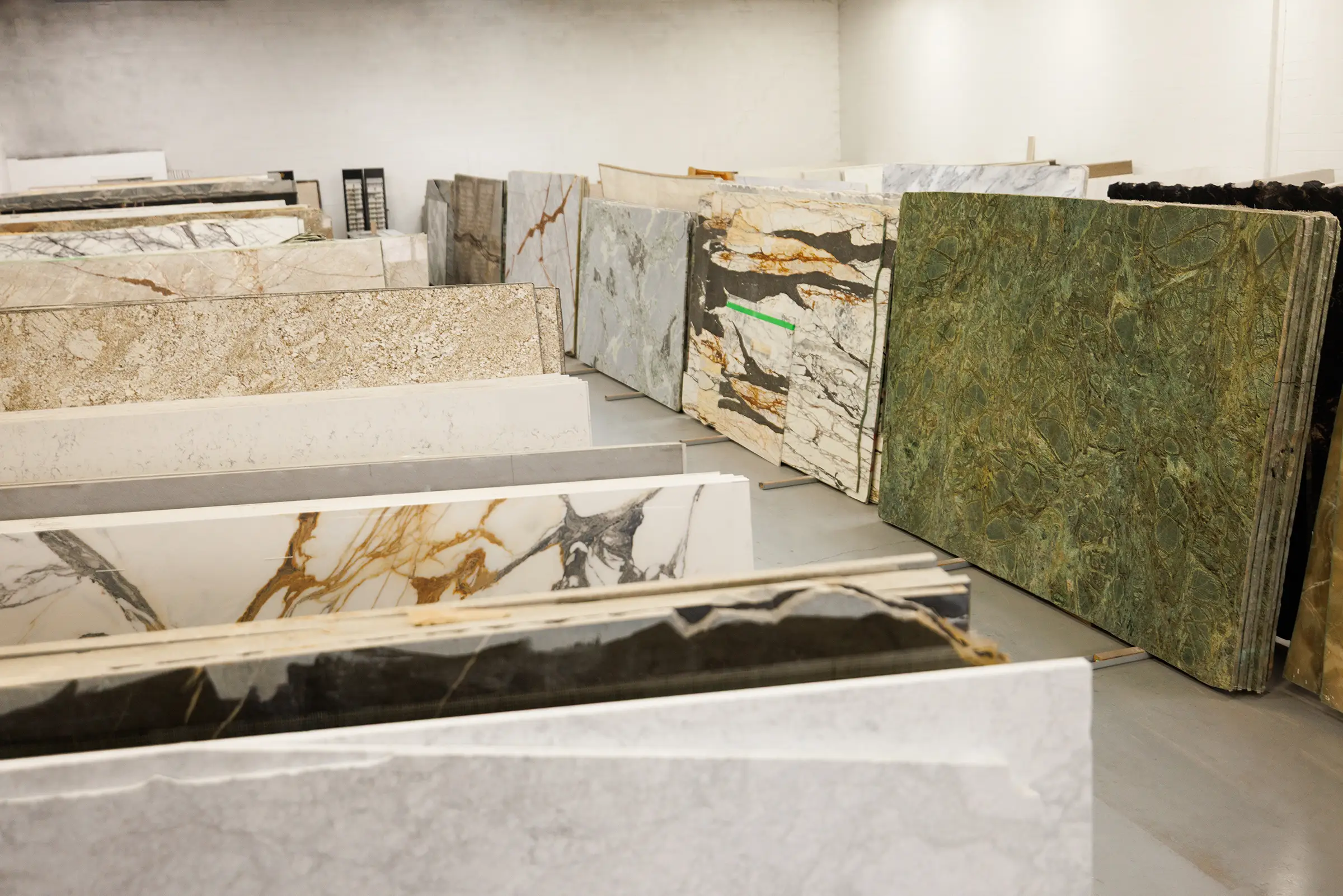
There’s another dimension to granite that makes its history even more remarkable: the stone itself is vastly older than any Egyptian monument. Granite forms slowly beneath the Earth’s surface as molten rock cools and crystallizes. The minerals visible within a slab are the result of that geological process, creating colours, structures and variations that cannot be precisely repeated. That’s why two slabs of the same type of granite can look related without ever being completely identical.
For designers and homeowners, this natural variation is part of granite’s appeal. Choosing a slab isn’t simply selecting a colour from a catalogue. You’re selecting an individual piece of natural material with its own movement and character.
Granite in contemporary design
Today, natural granite shares the design landscape with quartz, porcelain, ultra-compact surfaces and many other sophisticated materials. Yet it continues to find its place in kitchens, bathrooms, outdoor spaces and architectural applications. Part of the reason is practical. Granite is durable, heat-resistant and, when properly selected and maintained, capable of performing beautifully for many years. But practicality doesn’t explain everything. Something is compelling about bringing a material shaped by geological forces over immense periods of time into a contemporary space—particularly one that humans have been learning to work with for thousands of years.
At Crown Marble & Granite, modern fabrication technology allows us to approach granite very differently from the way the craftsmen of ancient Egypt did. But every time a new slab enters production, the fundamental challenge is surprisingly familiar: understanding the material, working with its natural characteristics, and transforming it with precision.
A material that outlives trends
Our tools have changed beyond recognition since the granite quarries of ancient Aswan were first worked.
Granite hasn’t.
Perhaps that’s part of its enduring appeal. From monumental sculptures and architecture to the surfaces we live with every day, granite continues to connect natural material with human craftsmanship. Thousands of years later, we’re still finding new ways to work with it—and new reasons to appreciate it.
Curious to experience granite beyond the photographs?
Visit the Crown Marble & Granite showroom to explore natural granite slabs up close and see their colour, movement and character in person.