The details that make a countertop truly custom
When choosing a countertop, most of us naturally focus on the material, colour and pattern. But another important part of the process is transforming the selected stone into a finished surface designed specifically for your space. From edge shape to how natural veining continues across adjoining surfaces, thoughtful design and precise fabrication can make a remarkable difference.
It starts with the edge
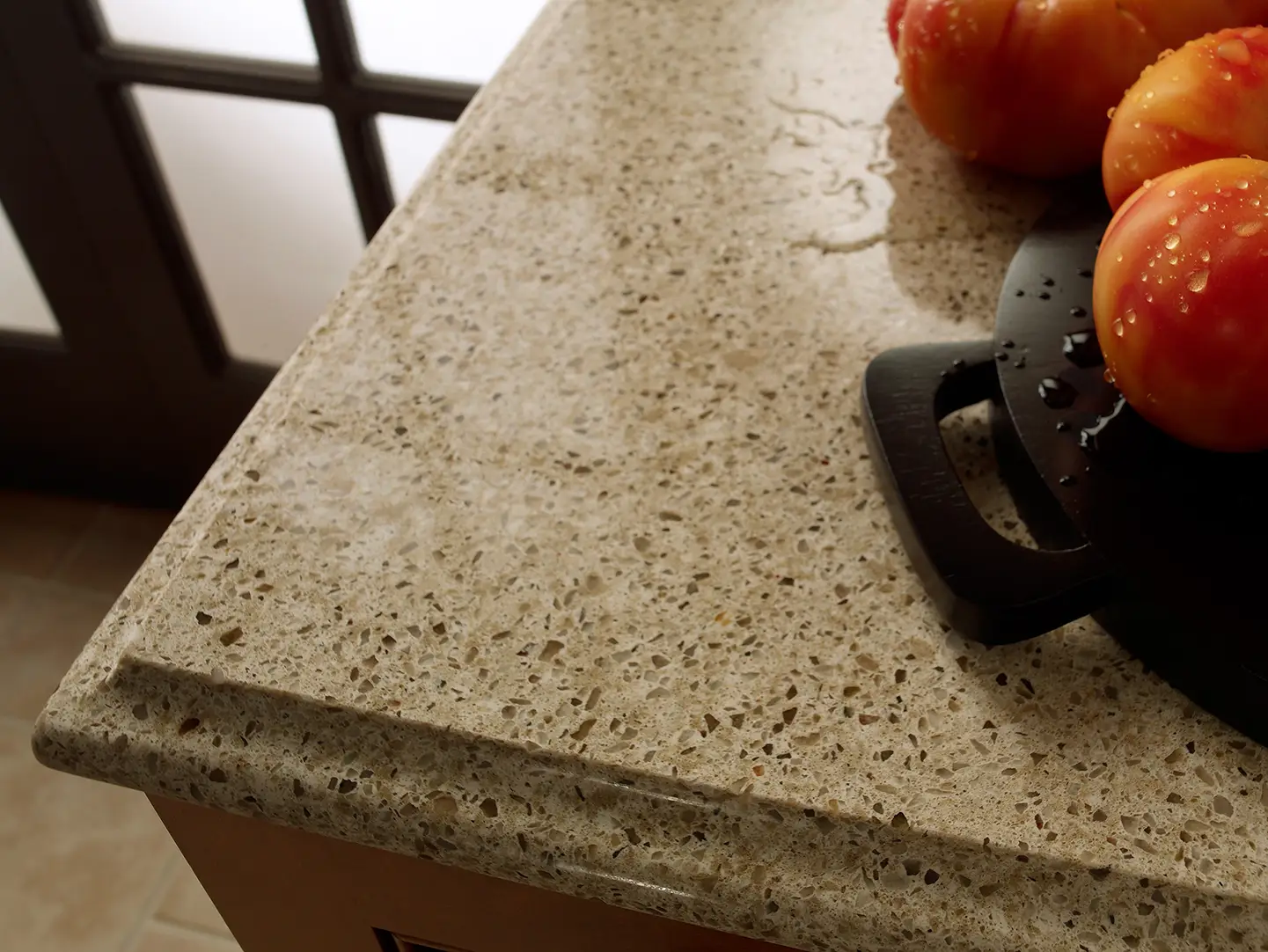
The countertop edge is a small detail that can significantly impact the overall appearance. A simple eased edge creates a clean, contemporary look. A bevel introduces a subtle architectural line, while rounded or decorative profiles can soften the design. Mitred edges can create the appearance of a thicker slab without using a solid piece of stone of that thickness. The choice isn’t purely decorative, either. Edge profiles affect how light catches the surface, how the countertop relates to the cabinetry and how comfortable it feels in everyday use.
You don’t choose the right edge profile in isolation—different materials have different fabrication requirements, so we consider the edge and stone together from the start.
Working with natural patterns
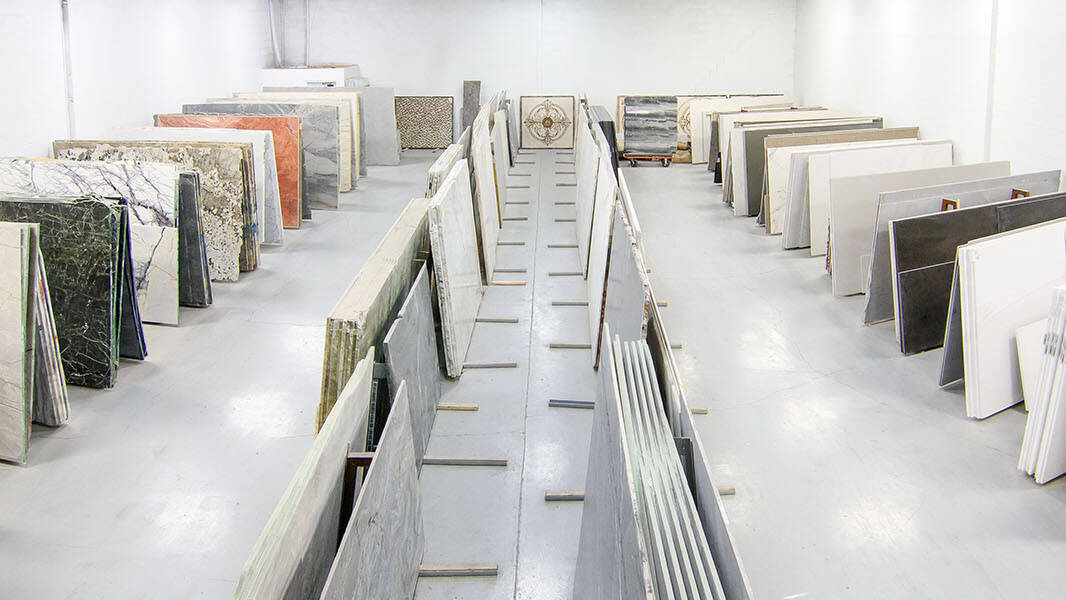
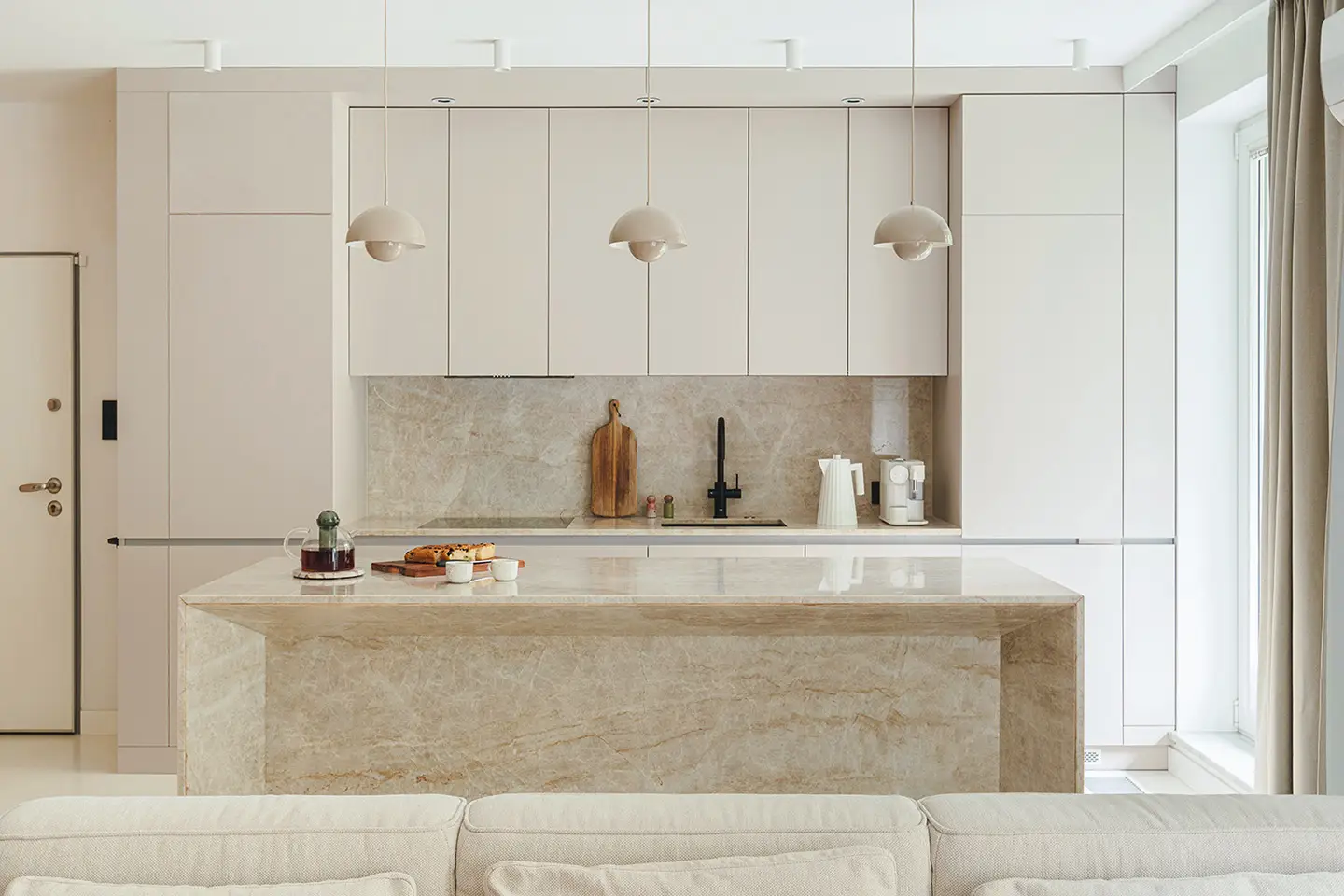
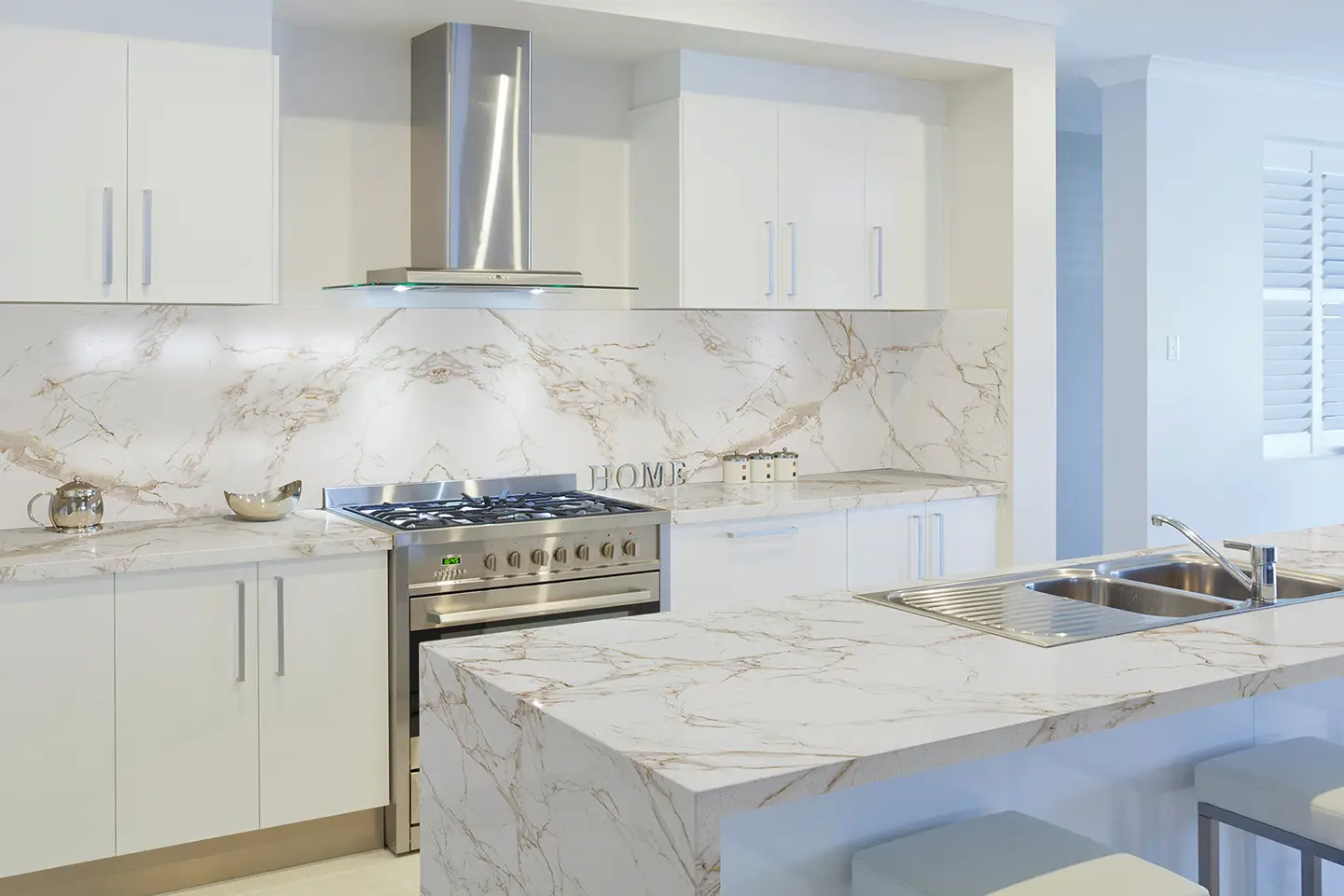
One of natural stone’s most appealing characteristics is its individuality. Veining, mineral formations and colour variations make every slab unique. When a design involves multiple surfaces, careful planning can help those patterns work together. A waterfall countertop, for example, can make it look like the stone flows continuously from the horizontal surface down the side of an island. Achieving this effect requires thoughtful slab layout, precise cutting and an understanding of the material’s natural movement.
The same attention applies to matching patterns across adjoining countertops or extending stone onto a backsplash. Sometimes the most effective design is dramatic; other times, a subtle transition creates a more balanced result.
The details you don’t always notice
Some of the most important fabrication decisions are almost invisible in the finished kitchen. Seam placement is one example. Slab dimensions, kitchen layouts and installation requirements sometimes make seams unavoidable. Their position should balance structural needs with the finished surface’s appearance. Accurate measurements, well-planned cutouts and carefully finished transitions are equally important. These details help ensure that countertops fit properly and function as intended.
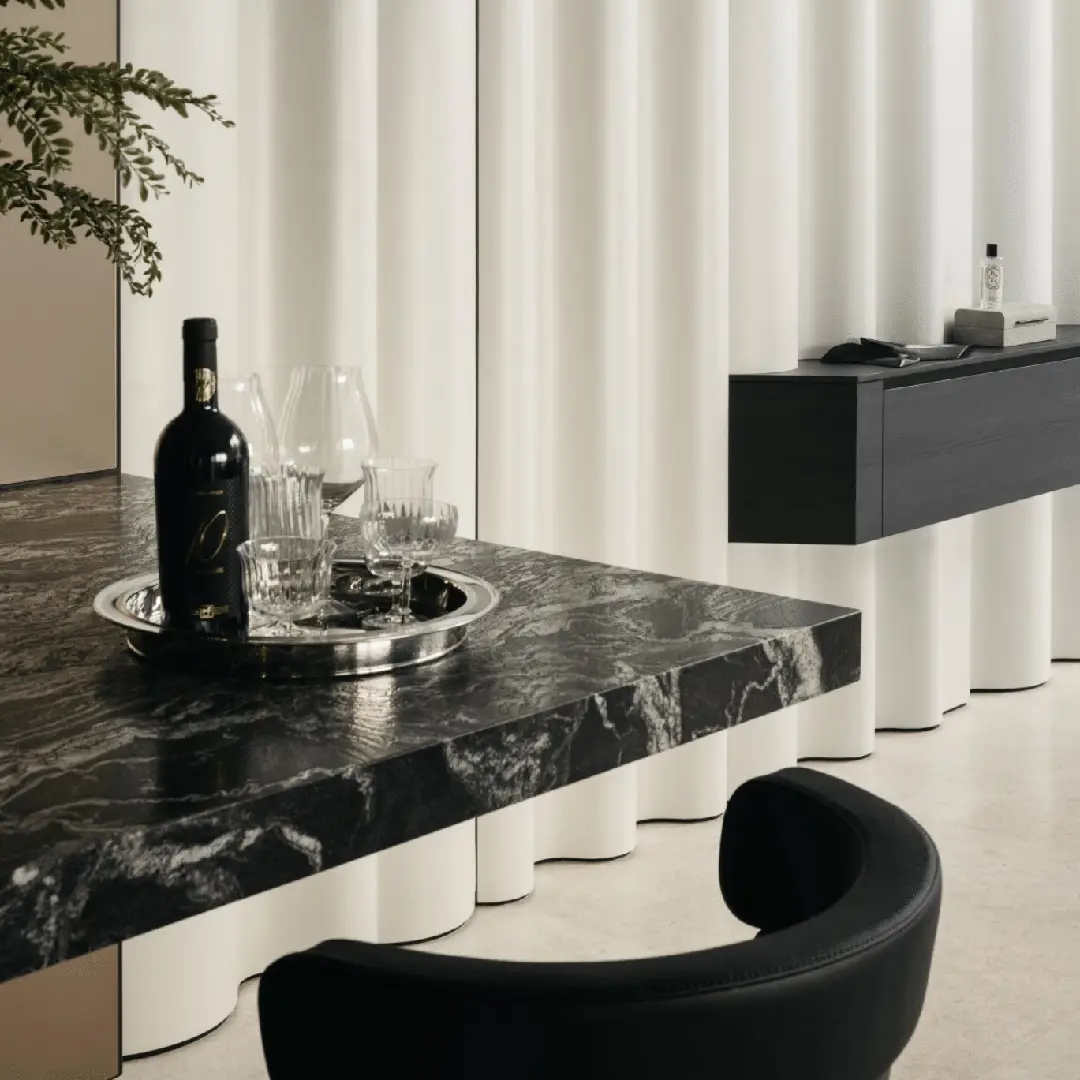
At Crown Marble & Granite, advanced CNC and waterjet equipment support precise fabrication, while our team’s experience guides decisions about material characteristics, slab layout, and installation.
Custom doesn’t have to mean complicated
Sometimes the most successful design comes down to choosing the right edge, placing a seam thoughtfully, or letting the stone’s natural pattern become the focal point. The difference is in how these details work together.
Whether you’re planning a small kitchen renovation or a more complex project, understanding the possibilities can help you make informed design decisions.
If you’re earlier in the planning process, our guide on the decisions to make before choosing your countertop covers the bigger picture.
Visit the Crown Marble & Granite showroom to explore materials, edge profiles and custom fabrication options for your project.