

Designing an outdoor kitchen? Start with the surface, not the BBQ.
Every summer, outdoor kitchens begin appearing across backyards in Toronto and the GTA. Some are simple grilling stations. Others evolve into fully functional entertainment spaces with dining areas, bars, fireplaces, and covered lounges. But long before the appliances are selected or the furniture arrives, there’s one decision that quietly shapes how the entire space will perform over time: the surface material. And surprisingly, not all countertop materials are suitable for outdoor use.
What summer reveals about outdoor surfaces
Outdoor kitchens experience conditions very different from indoor spaces. Direct UV exposure, sudden rainstorms, grill heat, and harsh Canadian freeze-thaw cycles all place stress on materials in ways many homeowners don’t initially consider. A surface that looks beautiful inside a kitchen may begin to discolour, shift, or deteriorate outdoors after only a few seasons.
This is why experienced designers and fabricators often begin outdoor projects by asking a different question:
How will this material behave five years from now?
Why some materials age better outdoors
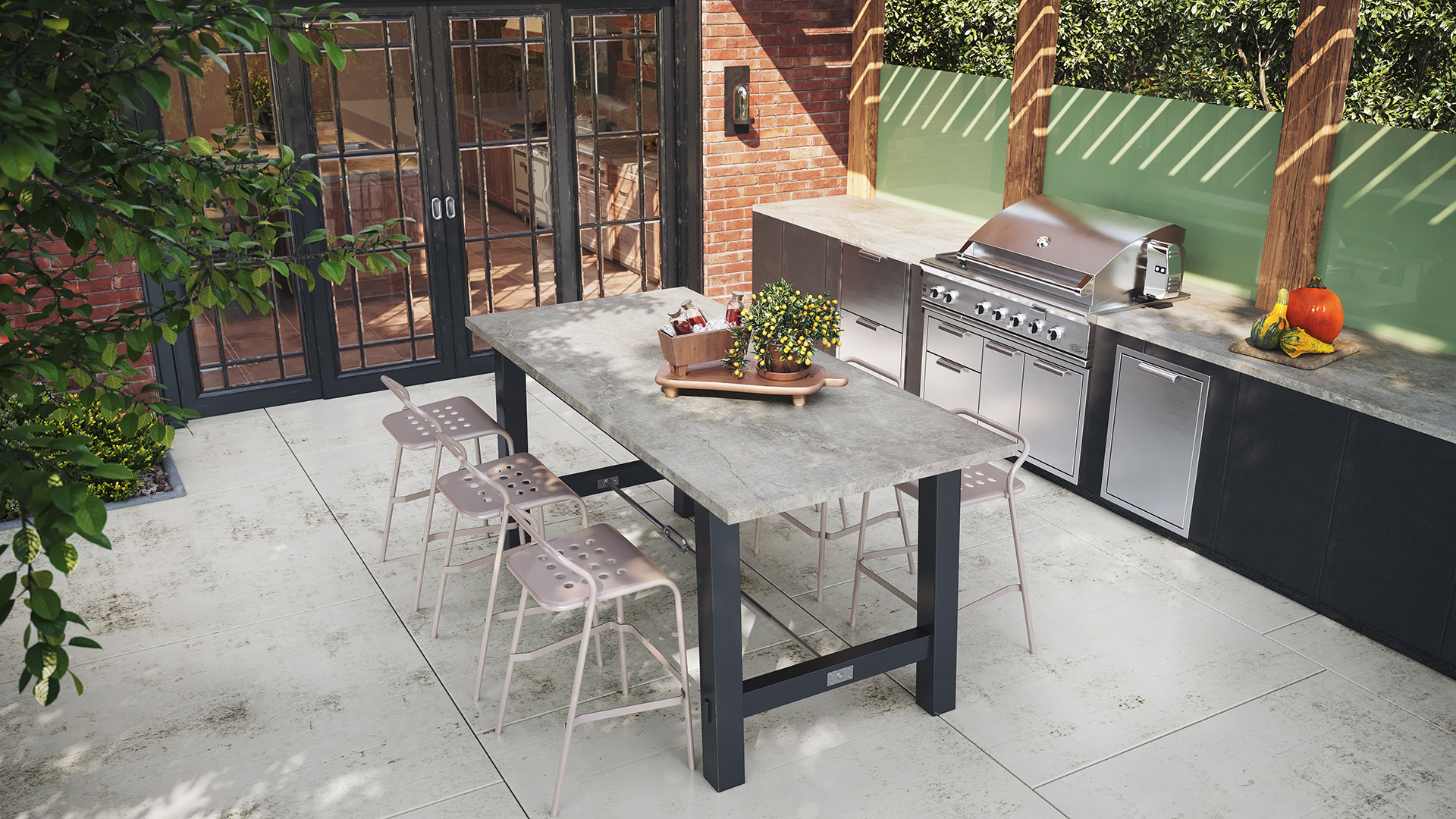
Natural granite remains popular for outdoor kitchens largely because of its stability under changing weather conditions. Ultra-compact surfaces like Dekton® have also become increasingly common thanks to their UV resistance and minimal water absorption. What matters outdoors isn’t only hardness or appearance—it’s dimensional stability, resistance to moisture movement, and the ability to maintain colour under constant sunlight. Large-format surfaces with fewer seams are also becoming more desirable outdoors. Fewer joints generally mean easier cleaning and a cleaner, more architectural appearance.
Outdoor kitchens are becoming more integrated
One of the biggest shifts in recent years is the way outdoor spaces increasingly mirror interior design. Instead of treating the backyard as a separate zone, homeowners and designers are creating continuity between indoors and outdoors through coordinated materials, tones, and textures.
We’re seeing:
- Matching interior and exterior countertop palettes
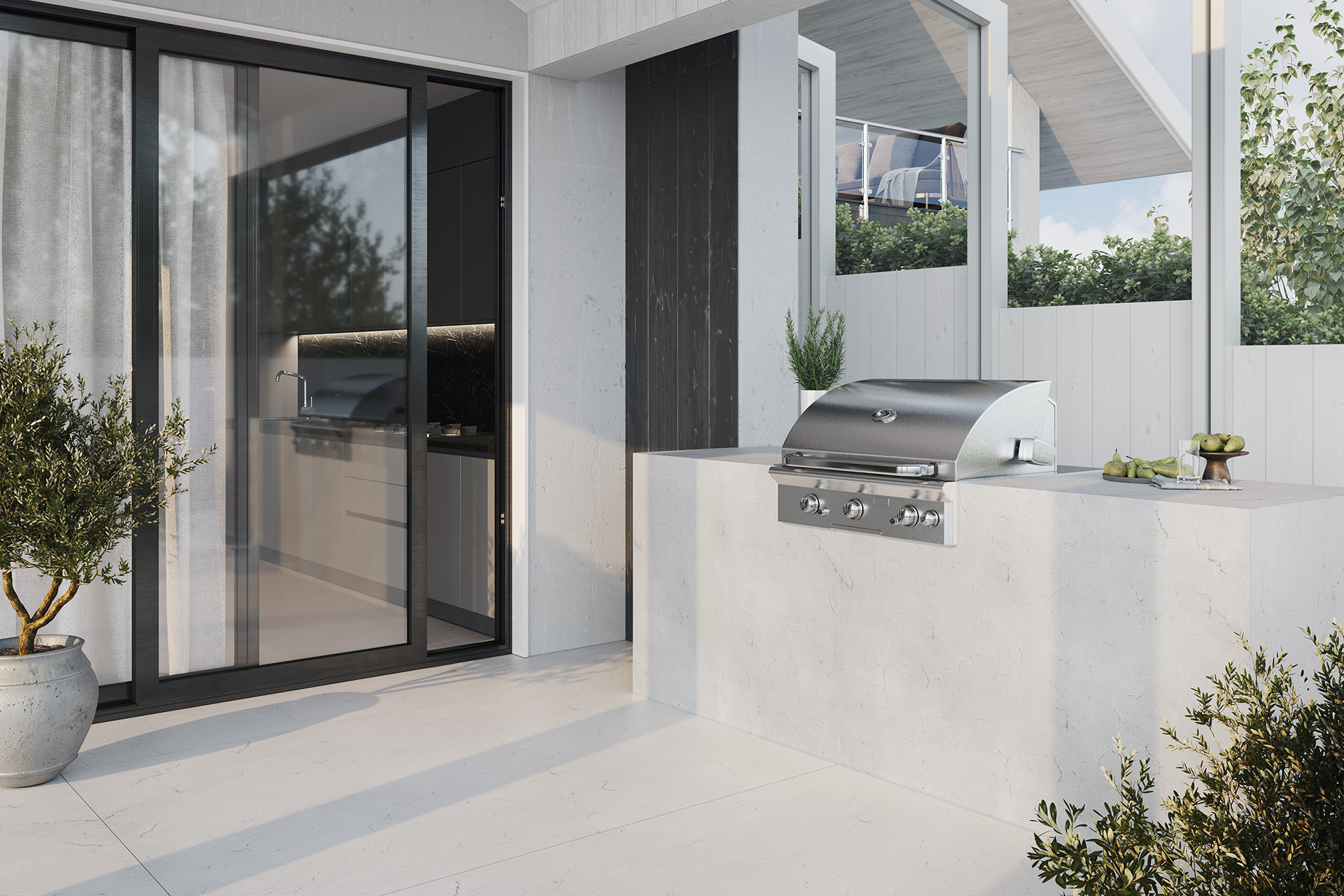
- Outdoor waterfall islands
- Stone-clad BBQ walls and fireplaces
- Integrated dining and prep surfaces
- Matte and textured finishes replacing glossy outdoor surfaces
The goal is no longer simply “a place to grill.” It’s creating an outdoor environment that feels intentionally designed.
The details most people never see
Outdoor fabrication often requires more planning than indoor work. Expansion gaps, substrate movement, drainage considerations, exposure direction, and slab handling all become part of the conversation. Even the direction and intensity of sunlight can influence material selection. These are the kinds of details homeowners may never notice directly—but they often determine whether an outdoor kitchen still looks exceptional years later.
Great outdoor spaces are designed to age beautifully through many seasons ahead.
Thinking early before summer arrives
The best outdoor projects usually begin long before peak summer season. Planning early allows more flexibility in material selection, fabrication scheduling, and overall design coordination.
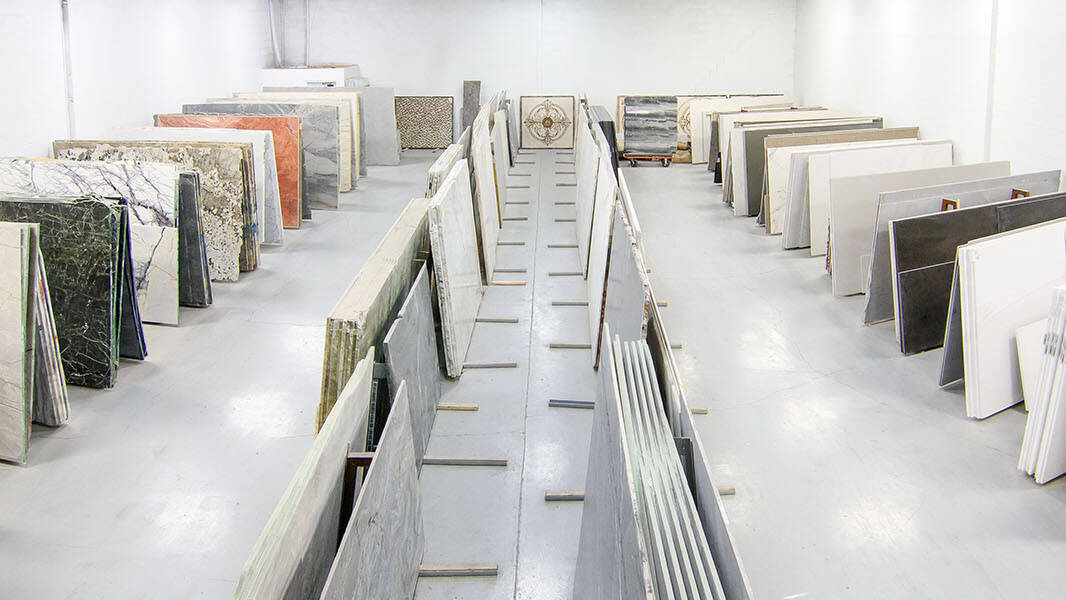
At Crown Marble, we always encourage homeowners to explore materials in person, compare finishes under natural light, and think about how the space will actually be used—not just how it will photograph on day one.